It’s an uncomfortable question, but one worth asking honestly: what if the problem isn’t your project, your pricing, or even your location, but the brochure sitting in front of your buyer right now? A lot of developers assume slow sales come down to market conditions or timing. Sometimes that’s true. But just as often, the real issue is that the marketing material simply isn’t doing the project justice, and no buyer commits to something they can’t picture clearly.
The Brochure Is Often the First (and Only) Impression
Before a buyer ever visits a site or talks to a sales team, they’re forming an opinion based on whatever’s in front of them, a PDF, a set of images, maybe a short video. If that material feels dated, generic, or unconvincing, it doesn’t matter how good the actual project is. The buyer has already moved on mentally before giving it a real chance. This is one of the more overlooked reasons projects underperform, the product is fine, but the first impression fails to hold attention long enough to get a serious look.
Generic Visuals Signal a Generic Project
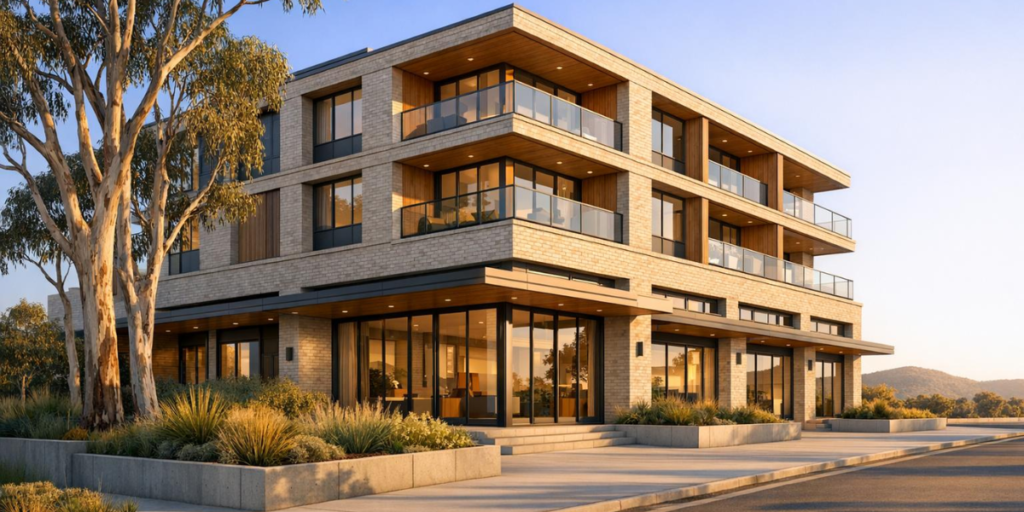
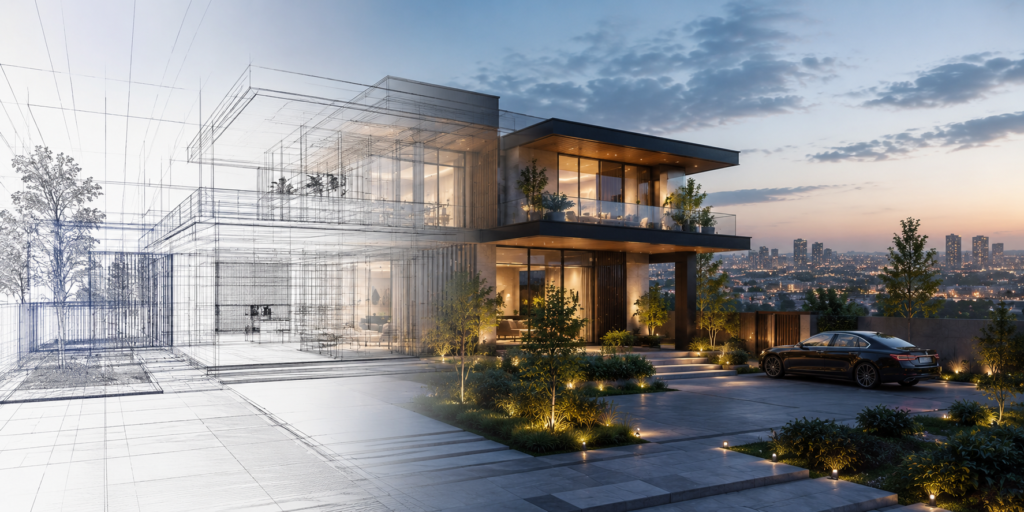
Buyers, especially more experienced ones, are quick to notice when visuals look like they were pulled from a template or rushed out to meet a deadline. It sends a subtle but damaging signal: if the marketing feels careless, the buyer starts wondering if the construction will be too. This is exactly why working with an established architectural visualization company tends to pay off well beyond the marketing budget line, the quality of the visuals often becomes a stand-in for how buyers judge the credibility of the entire project.
The Brochure Alone Was Never Going to Be Enough
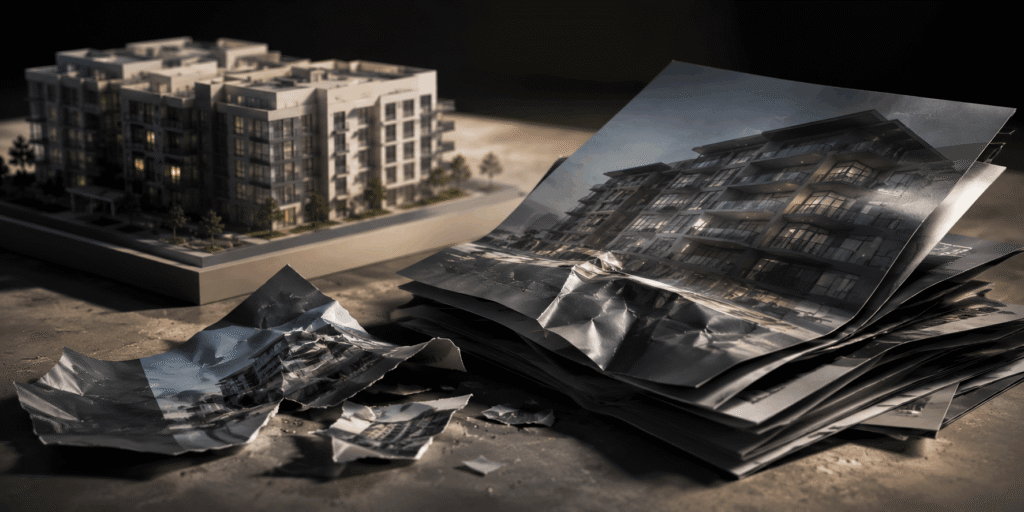
There’s also a structural issue at play. A lot of developers still treat the brochure for real estate projects as the centerpiece of their marketing, when in reality it should be one piece of a much bigger visual story. Static images and a PDF can only communicate so much before a buyer needs more, more angles, more context, more of a feel for how the space actually works. When the brochure is doing all the heavy lifting on its own, it’s almost guaranteed to fall short of what today’s buyers expect before they’ll take the next step.
It’s Not Just About Looking Nice
This isn’t really about aesthetics for their own sake. It’s about whether the marketing material actually communicates what makes the project worth buying, the layout logic, the lifestyle it offers, the quality of finishes, the character of the neighborhood. A brochure that fails to do this isn’t necessarily bad-looking, it’s just incomplete. And incomplete information tends to make buyers hesitant, which shows up later as slow sales numbers that get blamed on everything except the marketing itself.
Branding Ties It All Together
There’s another layer to this that often gets missed, brochures and renders can look great individually and still fail to build a cohesive identity for the project. Buyers respond to consistency, a project that feels considered from the logo to the signage to the sales material builds more confidence than one where the marketing feels disconnected piece by piece. This is where architectural branding services in Pakistan tend to make the biggest difference, tying the visuals, tone, and messaging together so the project feels like a complete, trustworthy offering rather than a collection of separate assets.
Rethinking What the Brochure’s Job Actually Is
The developers who tend to sell faster aren’t necessarily the ones with the biggest budgets, they’re the ones who treat marketing material as a tool for building confidence, not just a formality to hand out at a sales office. If your project has been sitting on the market longer than expected, it might be worth stepping back and honestly evaluating whether your brochure and visuals are doing their job, or quietly working against you. Sometimes the fix isn’t a better project. It’s a better first impression.