Real estate marketing in Pakistan used to rely almost entirely on printed brochures, scale models, and artist sketches to sell a project before it existed. Buyers had to imagine what a tower, villa, or commercial plaza would eventually look like based on a floor plan and a bit of faith. That approach is fading fast. Developers across Lahore, Karachi, and Islamabad are now turning to 3D rendering to market properties long before a single brick is laid, and it’s reshaping how projects are sold from the very first day of launch.
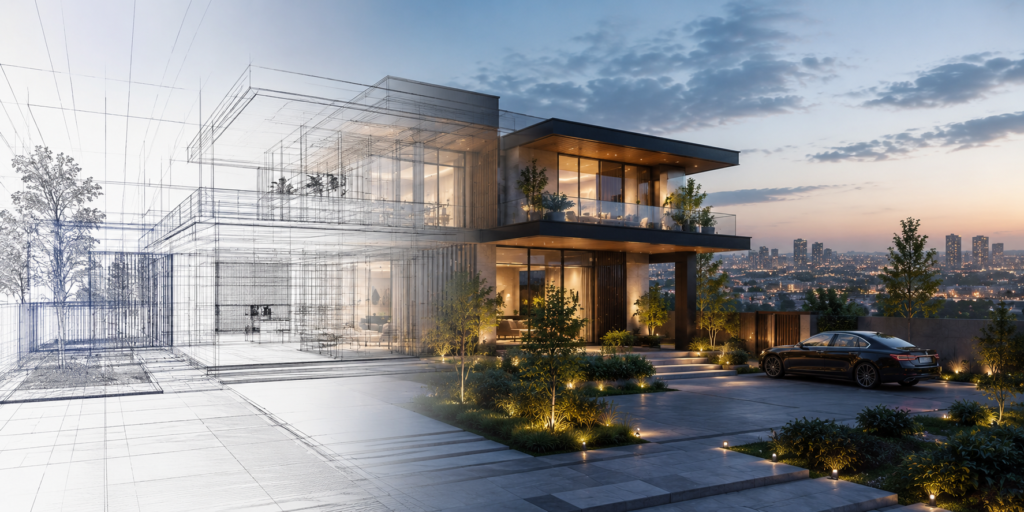
From Static Sketches to Living Visuals
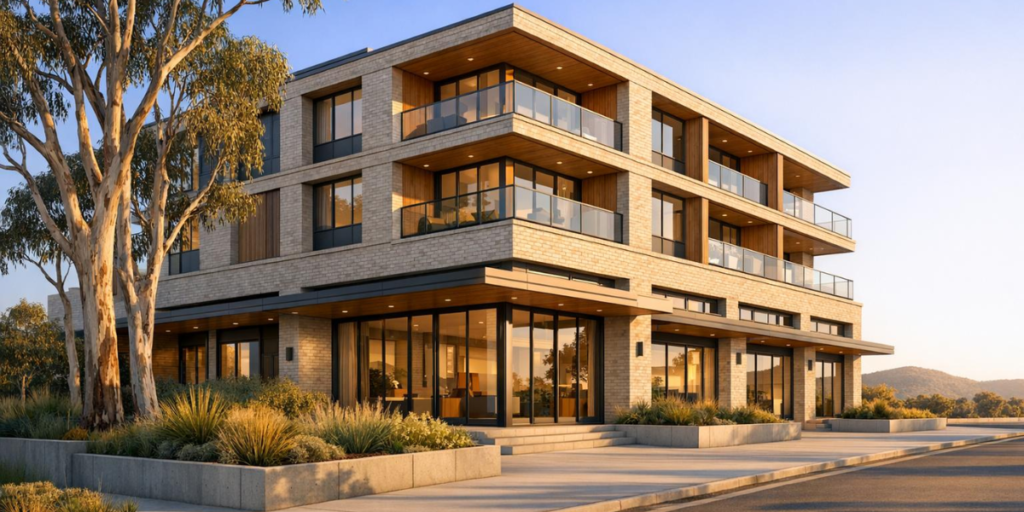
The biggest shift is in how buyers experience a project during the pre-sales phase. A hand-drawn concept or a flat 2D elevation leaves too much to interpretation. A photo realistic rendering, on the other hand, shows a property almost exactly as it will look once built, complete with lighting, landscaping, materials, and surrounding context. Buyers no longer have to guess what “modern facade” or “premium finishes” actually means. They can see it, which builds trust and shortens the decision-making process considerably.
This matters even more for overseas Pakistanis and investors who can’t visit a site in person. A well-produced render often becomes their only real reference point before committing to a purchase, so the quality of that visual carries a lot of weight.
Why Developers Are Rethinking Their Marketing Budgets
Marketing budgets that once went toward printed collateral and physical scale models are increasingly being redirected toward visualization. The reasoning is simple: renders are reusable across brochures, websites, social media, and sales presentations, while a physical model serves one purpose in one location. A single set of high-quality visuals can carry a campaign across every channel a developer uses, from Instagram ads to property portals to on-site sales offices.
This shift has also opened the door for smaller developers to compete with established names. A well-executed rendering package can make a mid-sized project look just as polished and market-ready as a large-scale development, leveling the playing field in a way that traditional marketing tools never could.
Interiors Are Becoming Just as Important as Exteriors
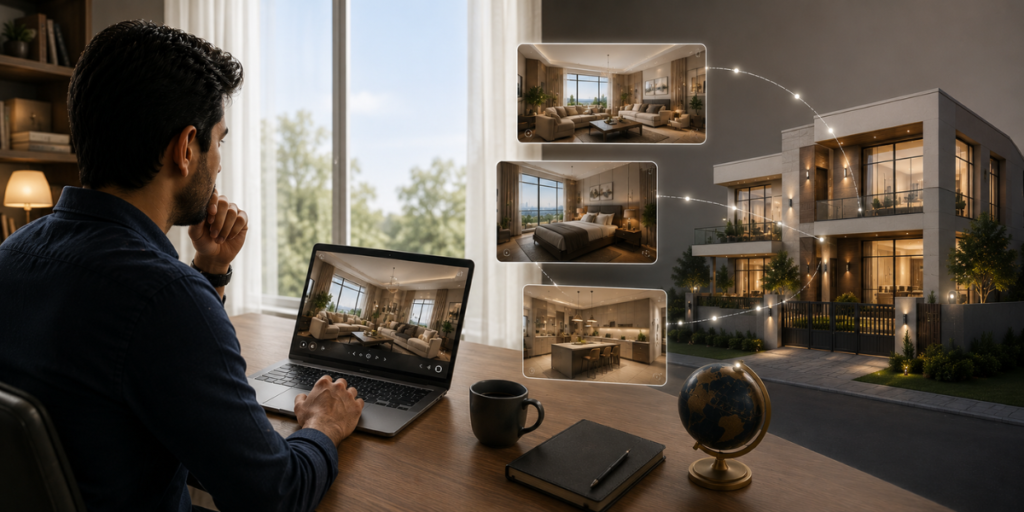
Exterior shots used to dominate real estate marketing in Pakistan, but that’s changing too. Buyers increasingly want to see themselves inside the space before they buy, not just admire the building from the outside. This is where interior visualization has become central to how projects are marketed, helping buyers picture furniture layouts, finishes, and room proportions long before construction reaches that stage. It’s a small shift in emphasis, but it reflects a bigger change in how buyers make decisions, they want the full picture, not just the facade.
Building Trust Before the Foundation Is Even Poured
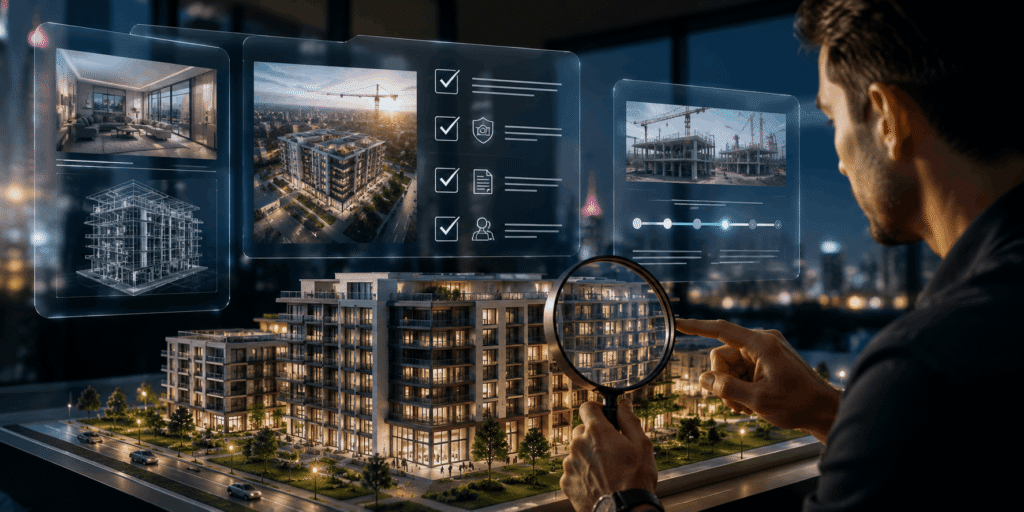
Trust is the real currency in pre-sales marketing, especially in a market where buyers have grown cautious about delayed projects and gaps between promise and delivery. Detailed, accurate visuals signal that a developer has a clear, well-thought-out vision, which reassures buyers that the project is serious and well-planned. This is part of why working with an experienced 3d rendering company in pakistan has become less of a marketing add-on and more of a core part of the sales strategy for developers who want to stand out.
What This Means for the Future of Property Marketing
As buyer expectations rise, static images and printed materials alone are unlikely to be enough. Walkthroughs, virtual tours, and increasingly interactive visual formats are becoming the new baseline rather than a premium add-on. Developers who adapt early are positioning themselves to sell faster and build stronger buyer confidence, while those who stick to traditional methods may find it harder to compete for attention in a crowded market.
The shift from sketches to fully realized visuals isn’t just a trend, it’s a fundamental change in how property is marketed and sold in Pakistan, and it’s likely to keep accelerating as buyer expectations continue to grow.