A decade ago, most property marketing was built around a simple assumption: buyers would eventually visit the site before deciding. That assumption no longer holds for a growing share of the market. Overseas investors, relocating professionals, and buyers purchasing for family members abroad are now a significant part of the buyer pool, and many of them will make a purchase decision without ever physically visiting the property. That shift hasn’t just added a new buyer segment, it’s quietly changed what good property marketing actually looks like.
The End of “Visit First, Decide Later”
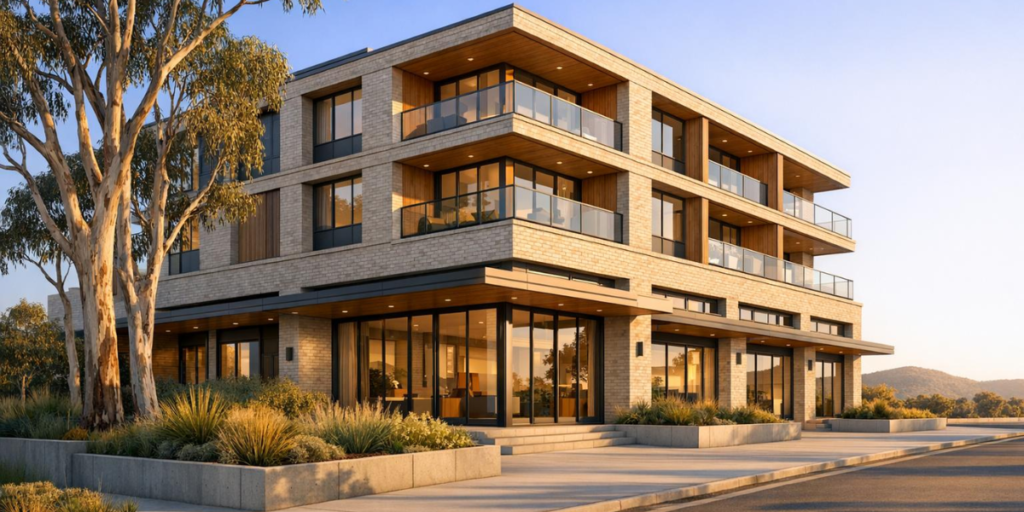
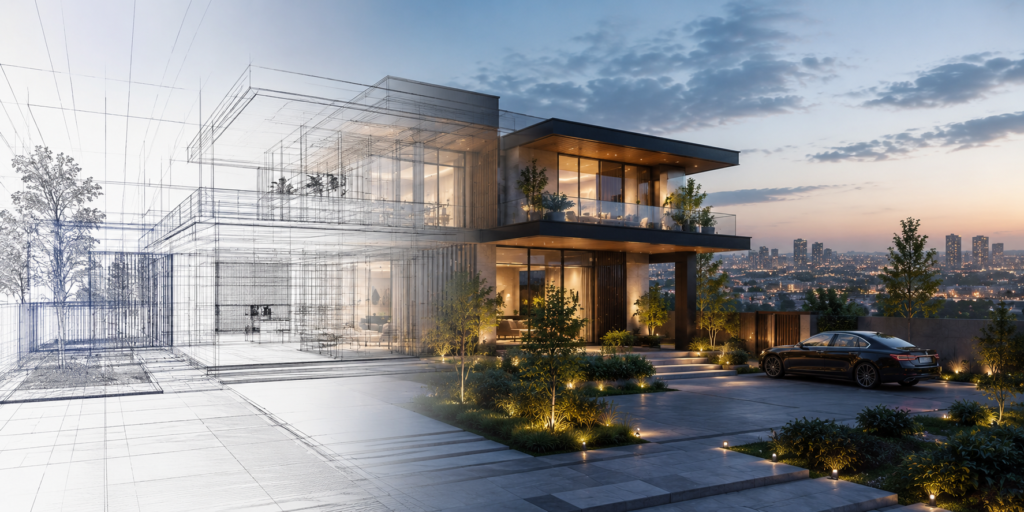
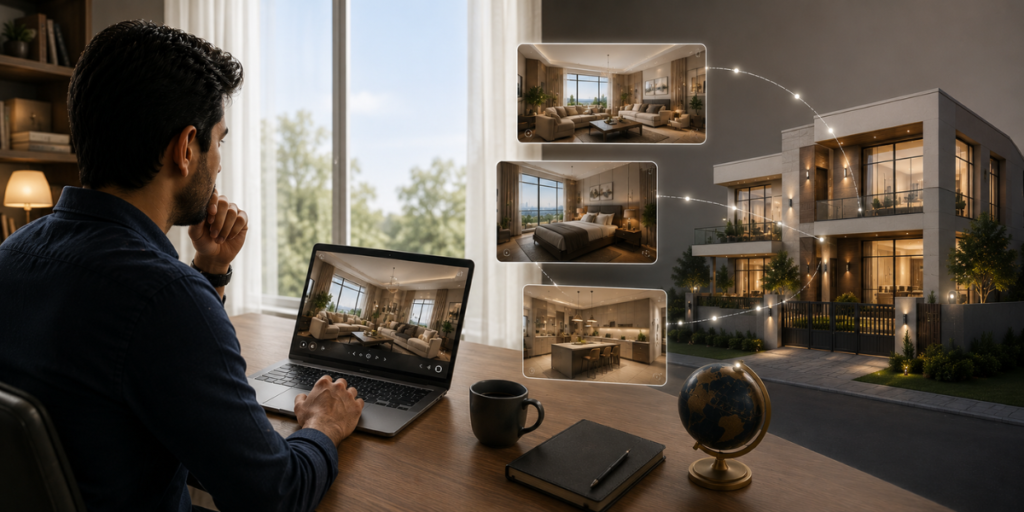
When a buyer can’t walk the site, every marketing asset has to work harder. A brochure that assumes buyers will fill in the gaps during a physical tour no longer does its job. Instead, marketing has to answer questions that used to get resolved in person: how does the space actually feel, how does light move through the rooms, what does the neighborhood context look like beyond the property line itself. This has pushed developers to invest more seriously in comprehensive 3D rendering solutions that cover far more ground than a single hero shot, because a remote buyer’s entire understanding of the project depends on what’s shown to them digitally.
Trust Has to Be Built Without a Handshake
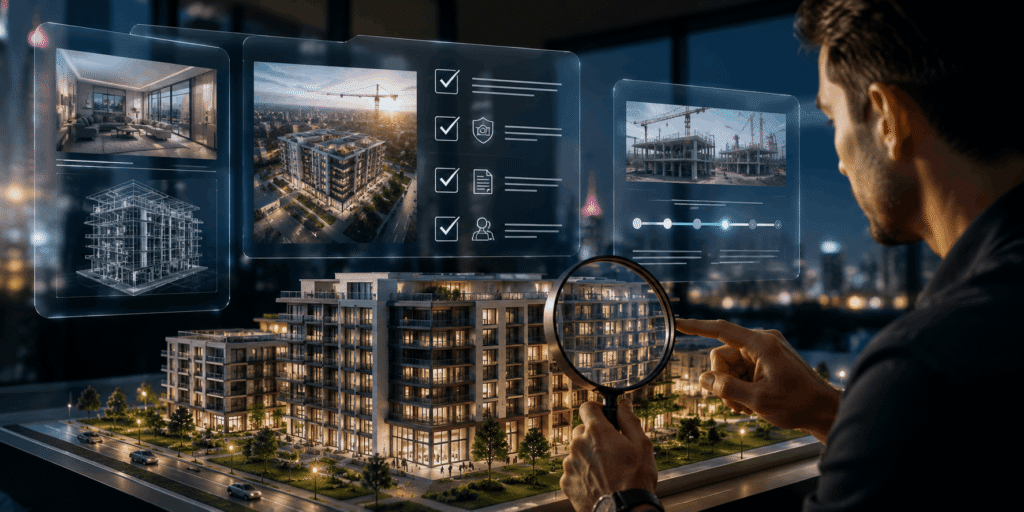
Buying from a distance requires a different kind of trust than buying locally. There’s no in-person meeting to size up a developer’s credibility, no chance to walk the sales office and get a feel for how the company operates. That trust now has to come from consistent, professional branding for real estate developers across every digital touchpoint, from the website to social proof to how quickly and clearly a sales team responds to an inquiry. International buyers are often comparing multiple developers across different countries simultaneously, and brand credibility, not just the property itself, becomes a real factor in which one they choose to trust with a significant investment.
Marketing Has to Work Across Very Different Buyer Contexts
Remote and international buyers don’t behave like a single audience. Someone evaluating from a nearby region has different expectations than someone browsing from further away, and marketing that’s built for one audience often falls flat with the other. This is part of why strong real estate digital marketing in Pakistan increasingly has to account for buyers who are engaging with a project from outside the country entirely, not just the local market it was originally built around. The messaging, proof points, and even the pacing of a sales funnel often need to flex depending on who’s actually looking.
Speed and Accessibility Matter More Than Ever
International buyers are frequently browsing and inquiring outside standard local business hours, often on mobile, and often while comparing several projects side by side in different tabs. Marketing that loads slowly, isn’t mobile-optimized, or takes days to generate a follow-up response loses these buyers quickly, simply because there’s always another option one tab away. This has raised the operational bar for developers, marketing now needs to be fast, accessible, and responsive around the clock, not just visually appealing.
A Broader Lens, Not a Narrower One
What’s notable about this shift is that it doesn’t just apply to developments explicitly targeting overseas investors. From Pakistan to international markets, we bring the same level of detail and craftsmanship to every project we take on, because the line between local and international buyers has become far blurrier than it used to be. A project marketed well for a local audience today is very likely also being seen by someone evaluating it from another country entirely, whether or not that was the original intent.
The Takeaway
Remote and international buyers haven’t just added new names to the buyer list, they’ve reset the baseline for what property marketing needs to accomplish. Developers who treat digital marketing as the primary experience, not a supplement to an in-person visit, are the ones positioned to capture a buyer pool that’s only going to keep growing.