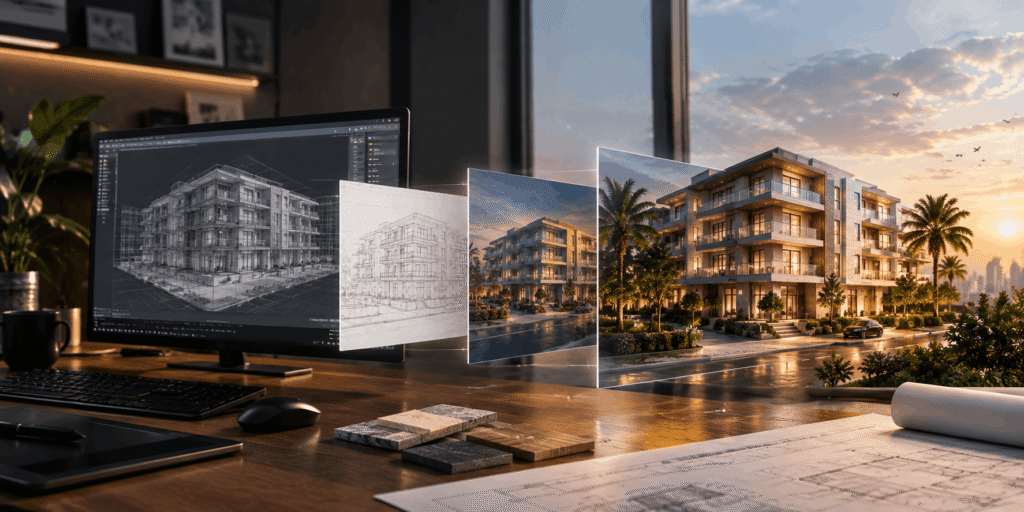
Every convincing render a buyer scrolls past on their phone started out as nothing more than a blank screen and a set of architectural drawings. There’s no building yet, no site, sometimes not even a finalized layout. What happens between that blank screen and the polished image a developer eventually uses to launch a project in Lahore, Karachi, or Islamabad is a process most buyers never think about, even though it’s often what convinces them to invest in the first place.
It Starts With Numbers, Not Images
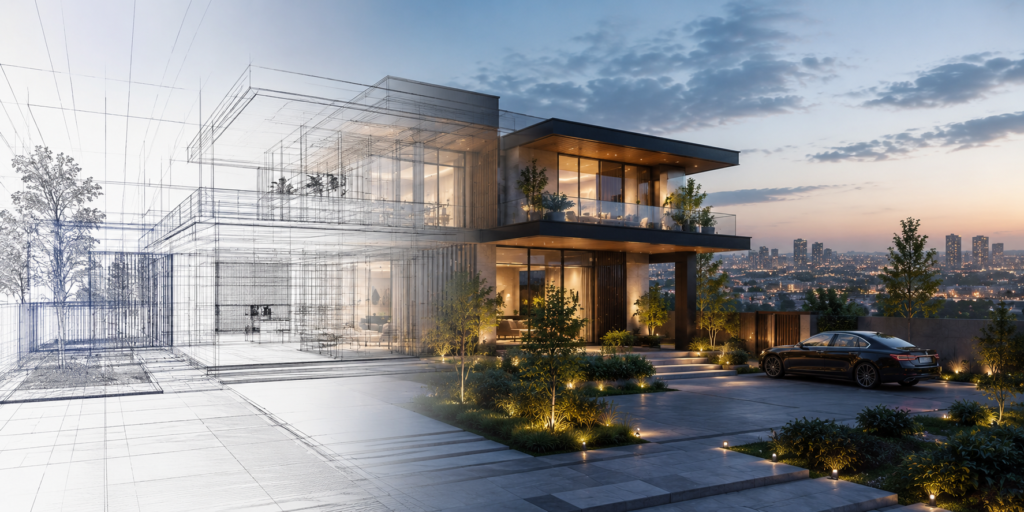
Before anything visual happens, a rendering team is working through technical drawings, elevations, and measurements. This early stage is more engineering than art, translating a 2D floor plan into a 3D model with accurate proportions, structural details, and spatial relationships. Get this stage wrong and everything built on top of it will look slightly off, even if a viewer can’t immediately explain why. It’s tedious work, and it’s also the part almost nobody sees, since none of it shows up in the final polished image a buyer eventually looks at.
Turning a Wireframe Into Something You’d Believe
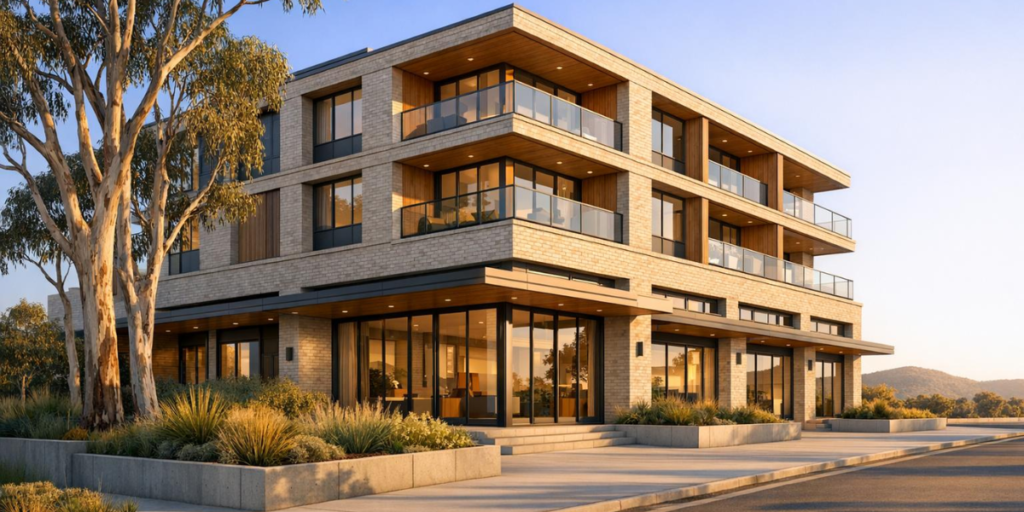
Once the base model exists, the real transformation begins. Materials get applied, glass, marble, wood, concrete, each one adjusted until it reflects light the way it would in real life. This is where a project starts to feel specific to its location rather than generic. For a development in Pakistan, this often means accounting for the kind of natural light common in cities like Lahore or Islamabad, warmer tones, stronger midday brightness, shadows that fall differently than they would in a colder climate halfway across the world. Getting these details right is a big part of what separates a flat, obviously fake image from realistic 3D interior rendering that buyers genuinely mistake for photography.
Bringing the Building to Life, Literally
Static images can only carry a project so far. At some point, a developer wants buyers to feel like they’re moving through the space, not just looking at snapshots of it. This is where 3D animation services come in, turning a still render into a sequence that reveals a building the way a person would actually experience it, walking up to the entrance, moving through a lobby, catching the skyline from a balcony. For projects trying to stand out on Pakistani social media feeds, where attention spans are short and scrolling is constant, a few seconds of well-produced animation often does more to stop a viewer than an entire gallery of static images ever could.
Letting Buyers Walk Through Before It’s Built
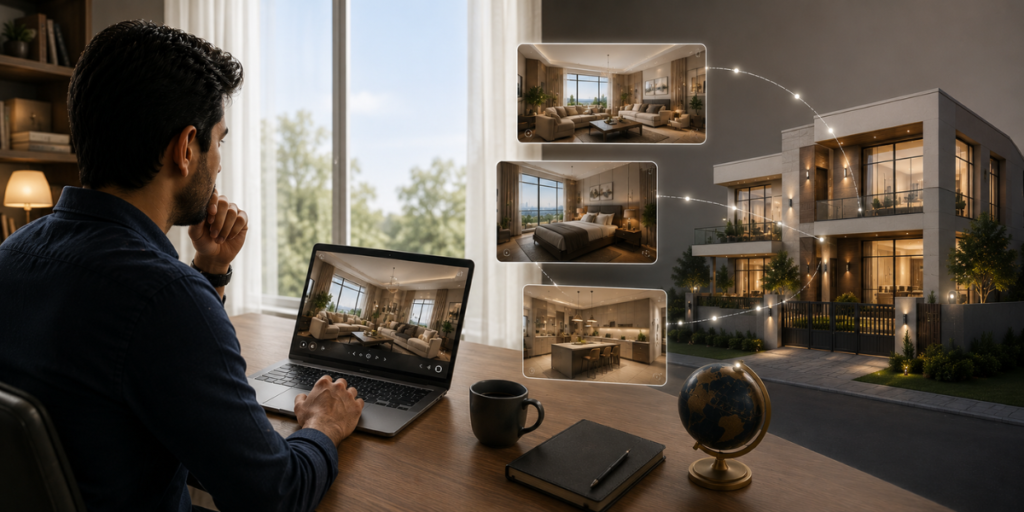
The most immersive stage of a render’s life comes when it becomes something a buyer can actually explore themselves, not just watch. 3D virtual tours for real estate let a buyer move through a property at their own pace, checking room proportions, testing sightlines, spending as much time in the kitchen or the master bedroom as they want. For overseas Pakistanis considering an investment back home, or local buyers who simply can’t make it to a site visit right away, this stage often becomes the closest thing to standing inside the actual property, months or sometimes years before it’s ready to hand over.
Why This Hidden Process Actually Matters
None of this technical effort is something buyers consciously think about when they’re scrolling through a project on Instagram or browsing a developer’s website. They just see a building that looks real, a space that feels livable, a lifestyle that seems within reach. But every convincing detail, the way light falls across a living room, the texture on a facade, the smoothness of a walkthrough, comes from a long, careful process that started with nothing more than a blank screen and a set of drawings.
The Blank Screen Was Always the Hardest Part
What makes this process worth understanding isn’t the software or the technical steps themselves, it’s what those steps ultimately produce, buildings that feel believable long before they physically exist. In a market like Pakistan’s, where buyers are increasingly comfortable making decisions based on visuals alone, that believability isn’t a nice bonus. It’s often the entire reason a project gets taken seriously in the first place, and it’s easy to forget that every version of it started out as absolutely nothing.